ESG Is Reshaping How Organizations Choose Office Space
Environmental, Social and Governance (ESG) has become a defining framework for how organizations create long-term value. Once primarily associated with corporate reporting and investment decisions, ESG now influences business strategy across operations, talent management, and workplace planning.
This shift is also transforming the commercial real estate sector. While location, rental costs, and accessibility remain fundamental considerations, many organizations now evaluate office buildings based on their environmental performance, workplace quality, and ability to support broader sustainability objectives.
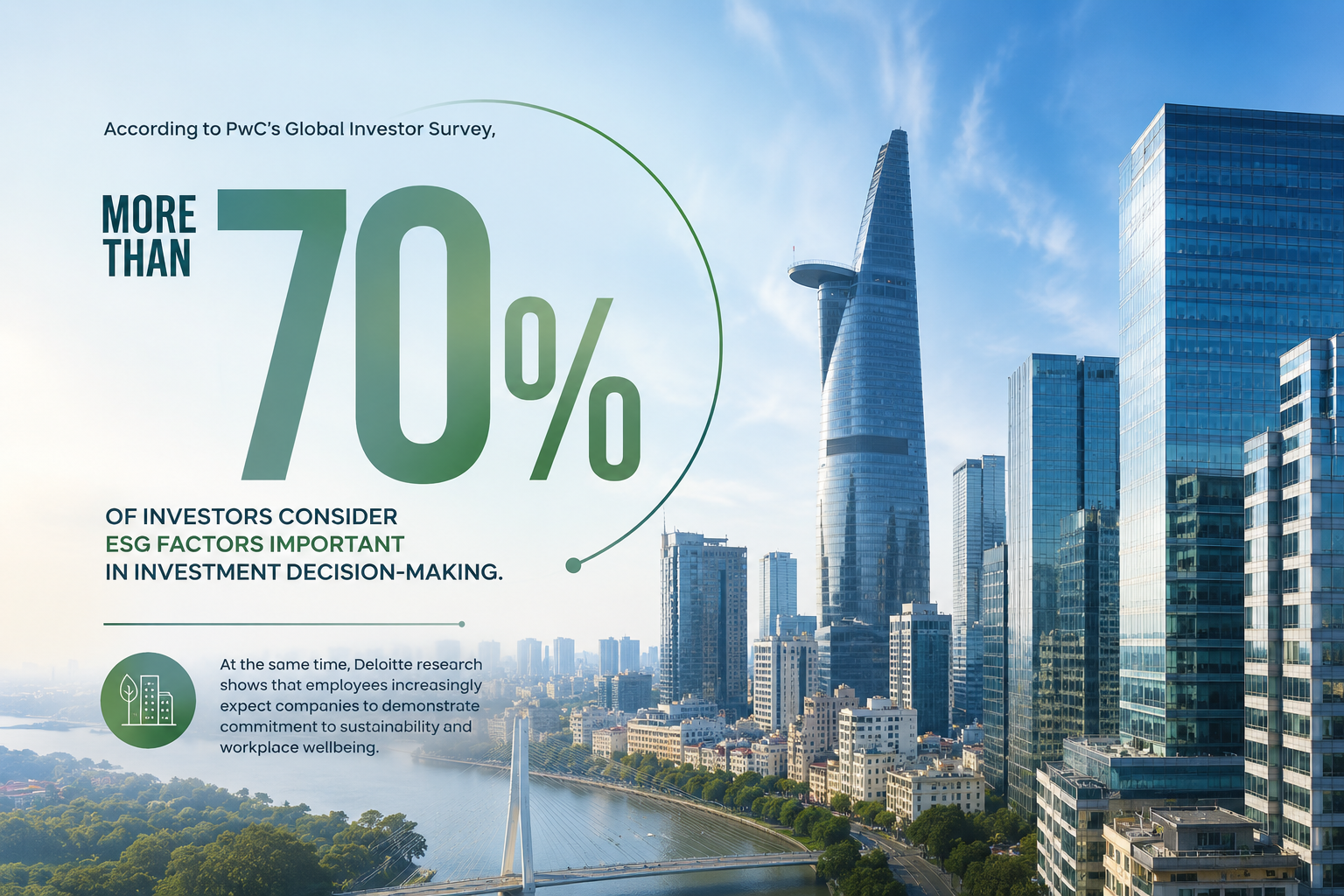
According to PwC’s Global Investor Survey, more than 70% of investors consider ESG an important factor in investment decision-making. Deloitte also reports that employees increasingly expect their workplaces to reflect their organization’s commitment to sustainability, well-being, and responsible business practices.
As these expectations continue to evolve, green-certified office buildings are becoming an integral part of corporate ESG strategies rather than simply a premium real estate option.
How Green Buildings Support ESG Performance
Green-certified buildings deliver value that extends well beyond environmental performance. They create workplaces that are more efficient to operate, healthier for occupants, and better aligned with long-term business objectives.
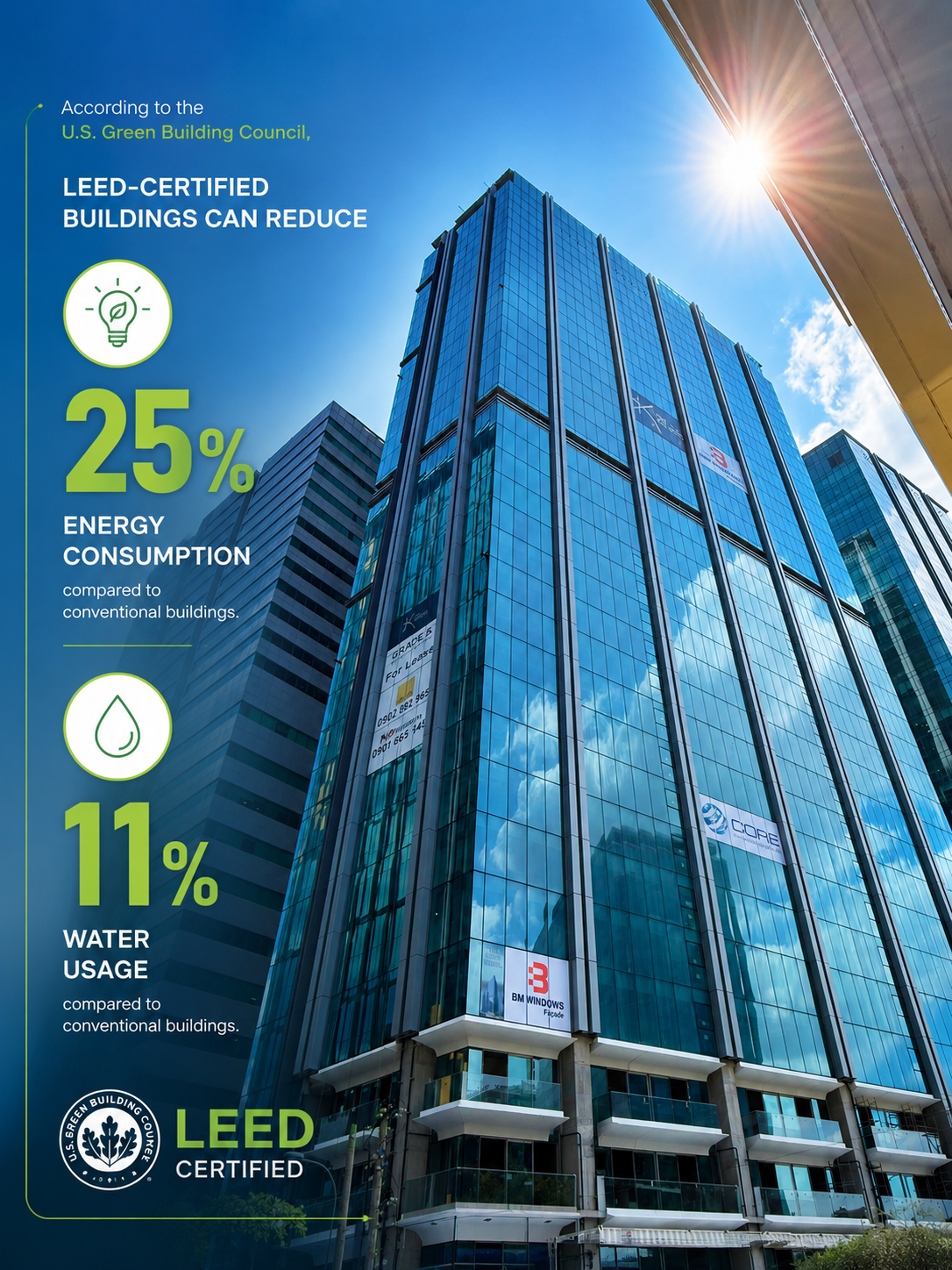
Designed to optimize energy and resource consumption, sustainable buildings help reduce operating costs while improving asset performance over time. According to the U.S. Green Building Council (USGBC), LEED-certified buildings can reduce energy consumption by approximately 25% and water use by up to 11% compared with conventional buildings.
Workplace quality also plays a significant role. Access to natural daylight, improved indoor air quality, and healthier indoor environments contribute directly to employee well-being and organizational performance. Research published by the World Green Building Council indicates that employees working in green-certified buildings experience productivity improvements of up to 11% and a 23% increase in overall well-being.
Studies conducted by the Harvard T.H. Chan School of Public Health further suggest that indoor environmental quality can significantly influence cognitive performance, concentration, and decision-making.
As workplace expectations continue to evolve, the office is no longer viewed solely as a place to work. Increasingly, it serves as strategic infrastructure that supports both business performance and ESG objectives.
The Kross: Designed Around Sustainable Performance
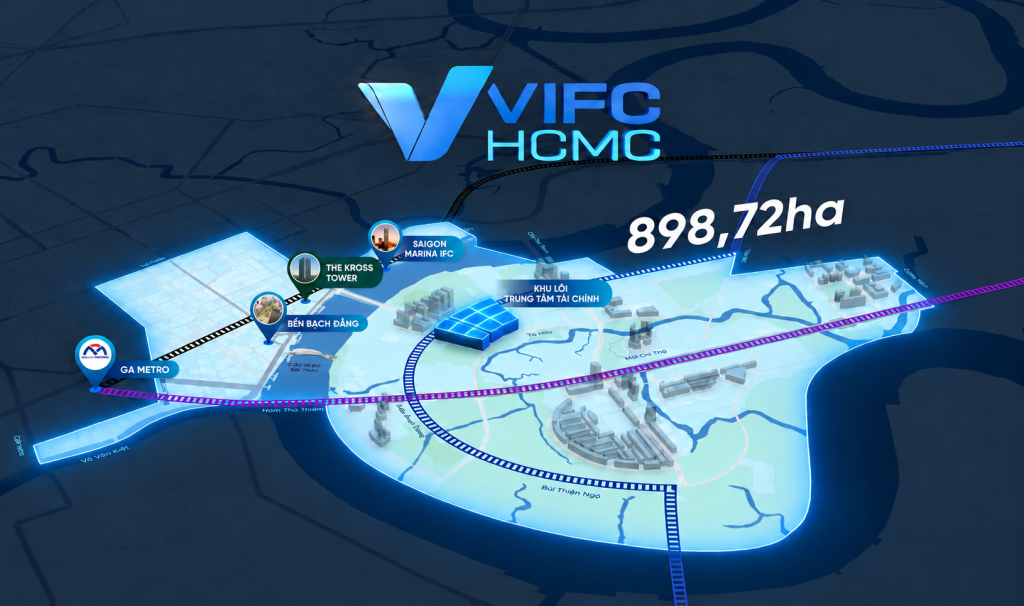
Located at 3A–3B Ton Duc Thang Street in the heart of Ho Chi Minh City’s central business district, The Kross has been planned with sustainability as a core design principle from the very beginning.
Scheduled for completion in Q3 2026, the development is targeting both LEED Gold and WELL Gold certifications, reflecting its commitment to environmental performance while creating healthier and more productive workplaces.
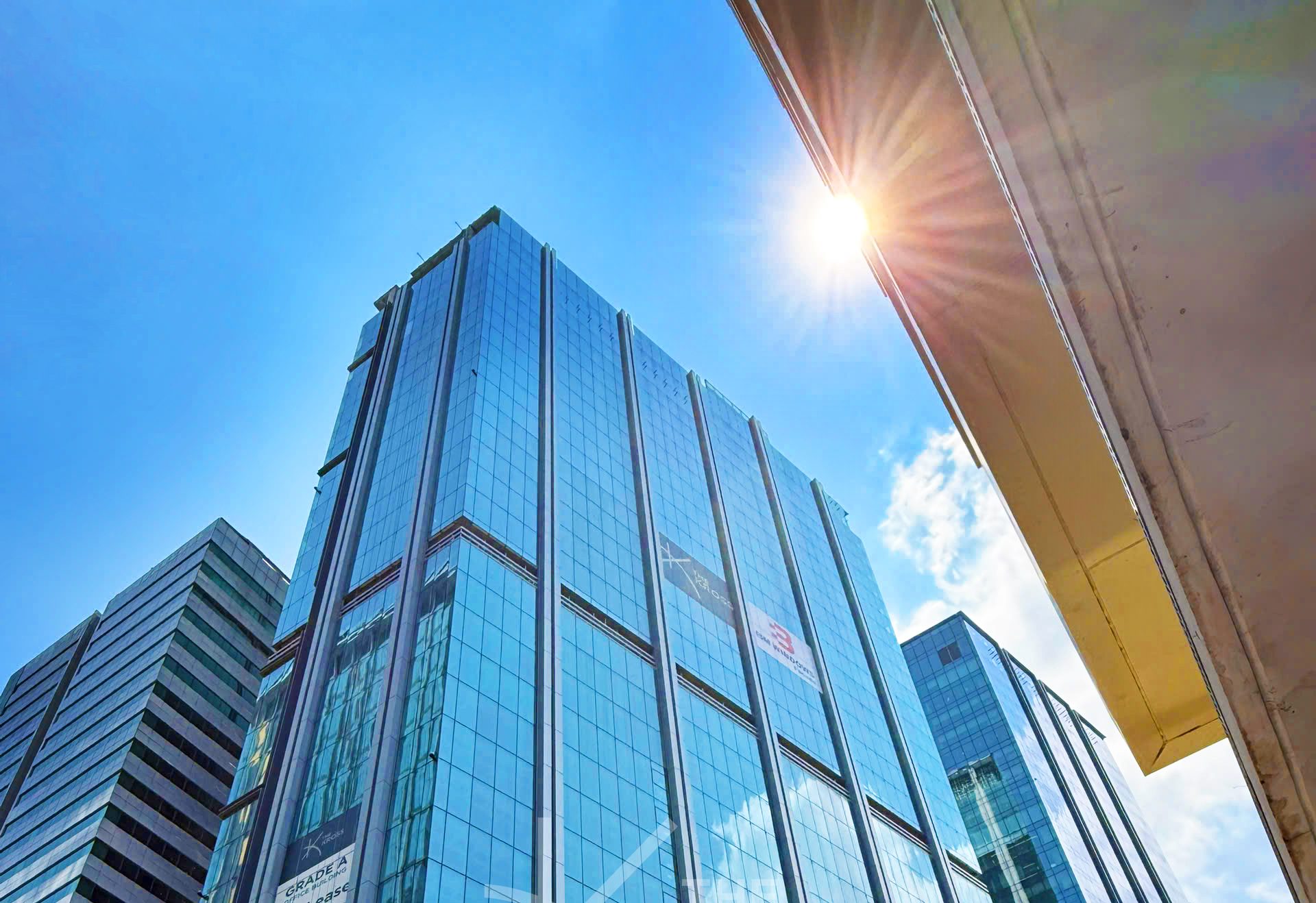
The building incorporates a high-performance Low-E glass façade that maximizes natural daylight while reducing solar heat gain and improving overall energy efficiency. Together with intelligent building systems and modern technical infrastructure, these features support organizations seeking workplaces that align with long-term operational and sustainability goals.
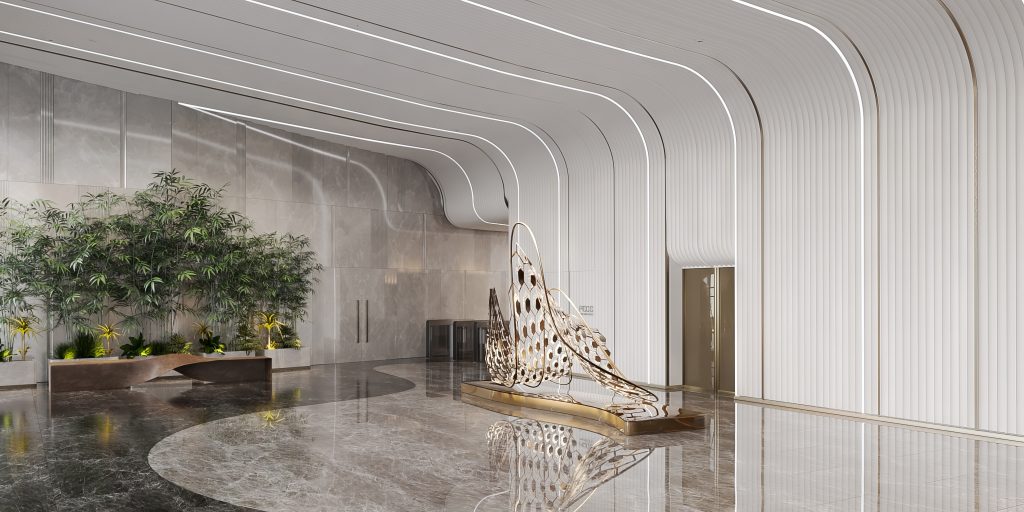
Occupant experience has also been carefully considered. Healthy indoor environments, integrated wellness amenities, and convenient access to the surrounding business district contribute to a workplace designed around both productivity and well-being.
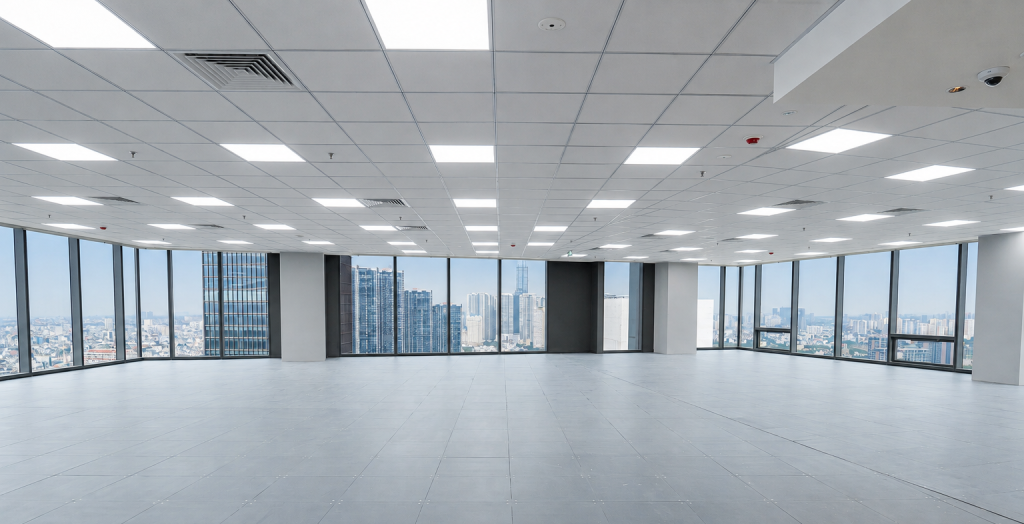
Column-free floor plates ranging from 994 to 1,053 square meters provide exceptional planning flexibility, while integrated retail facilities, a fitness center, smart parking systems, and direct connectivity to Ba Son Metro Station further enhance the everyday experience for tenants.
Sustainable Offices Are Becoming the New Standard
As ESG continues to influence how organizations invest, operate, and grow, sustainable workplaces are rapidly becoming the benchmark for premium office developments.
Green-certified buildings are no longer viewed simply as high-quality real estate assets. They are increasingly recognized as strategic business infrastructure that supports operational efficiency, employee well-being, corporate reputation, and long-term environmental commitments.
For organizations seeking closer alignment between workplace strategy and ESG objectives, the next generation of office buildings will be defined by more than location or architectural design. Their long-term value will increasingly be measured by how effectively they support people, strengthen business performance, and contribute to a more sustainable future.
Designed around these evolving expectations, The Kross represents a new generation of Grade A office developments that is helping redefine the future workplace in Ho Chi Minh City.